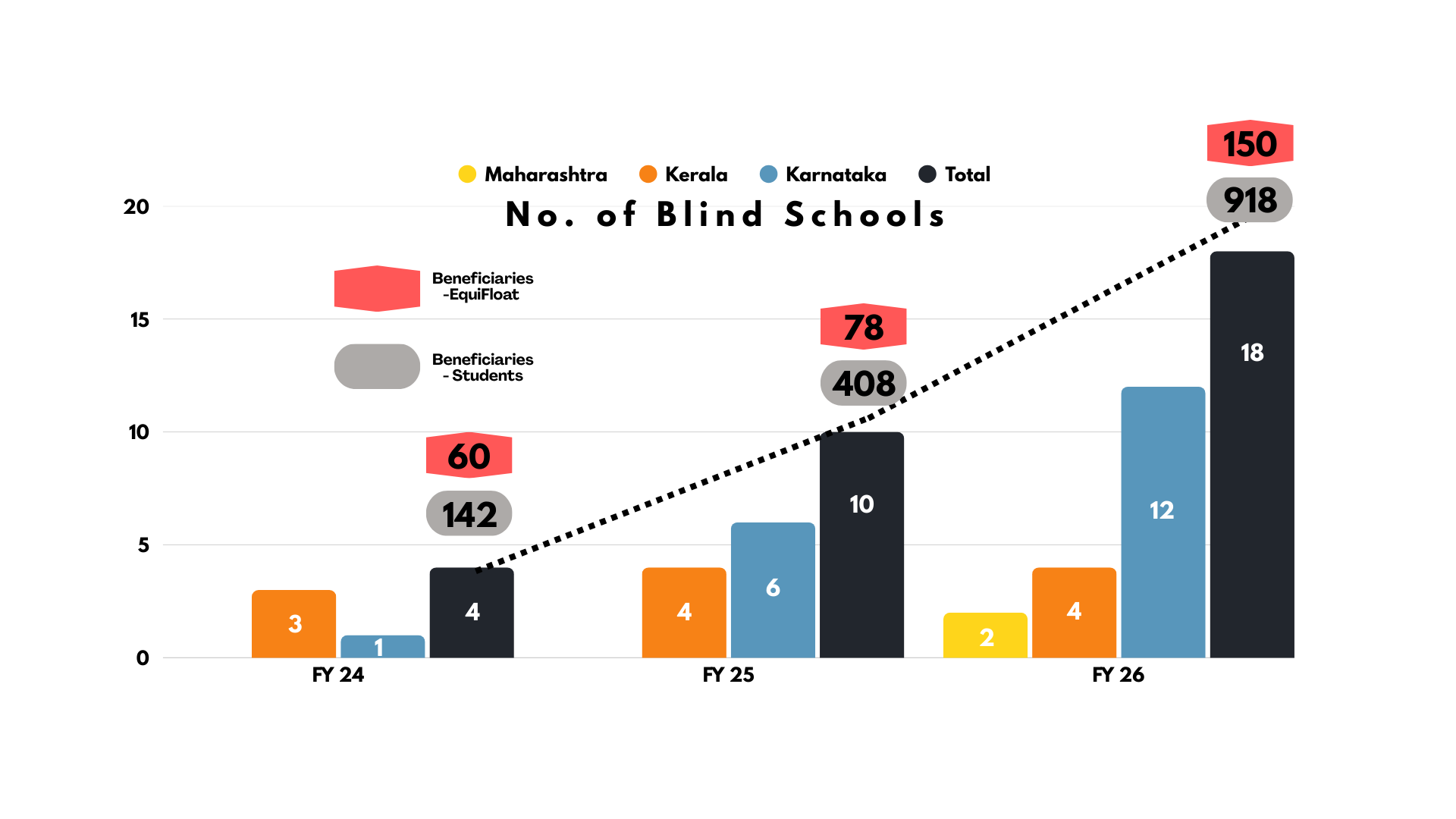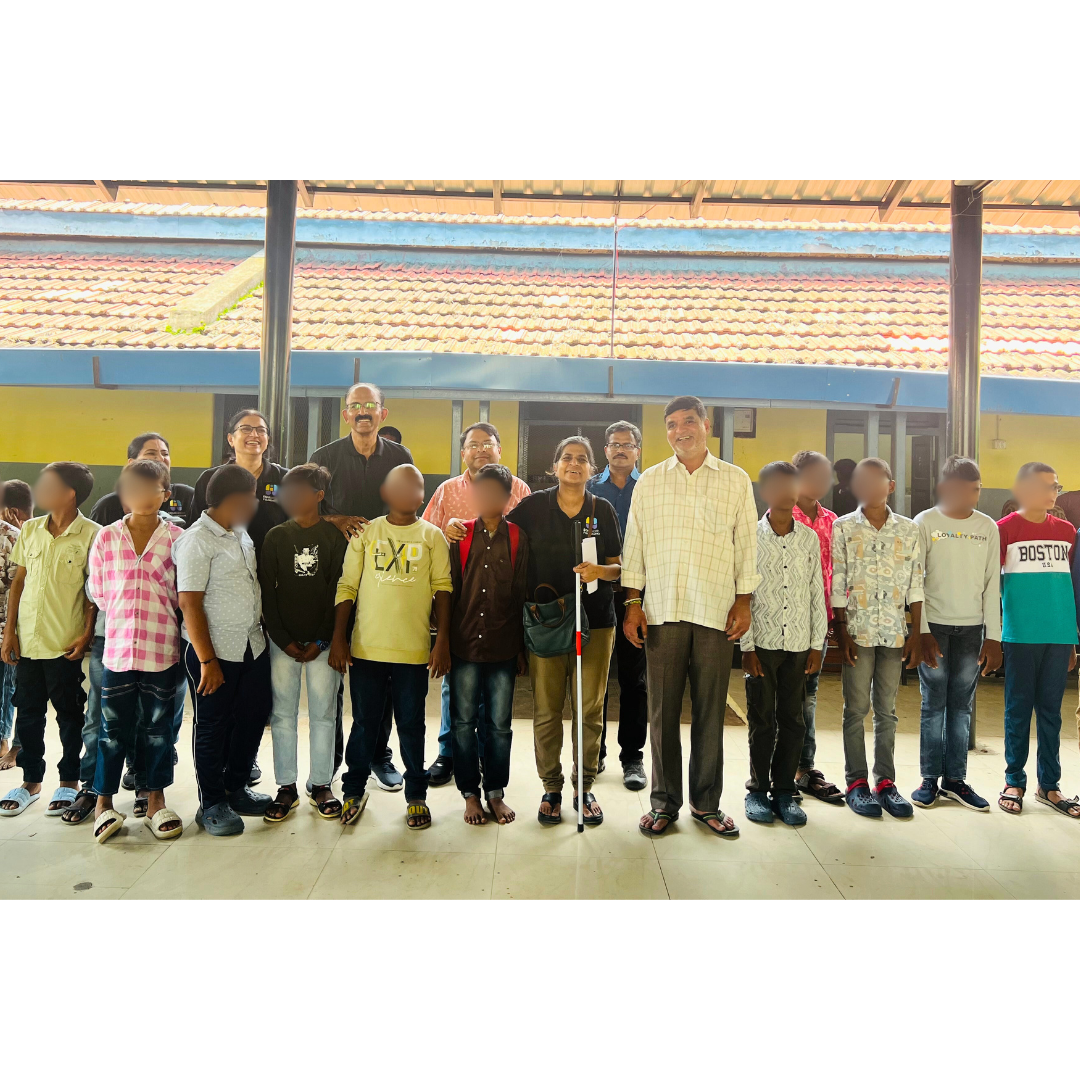

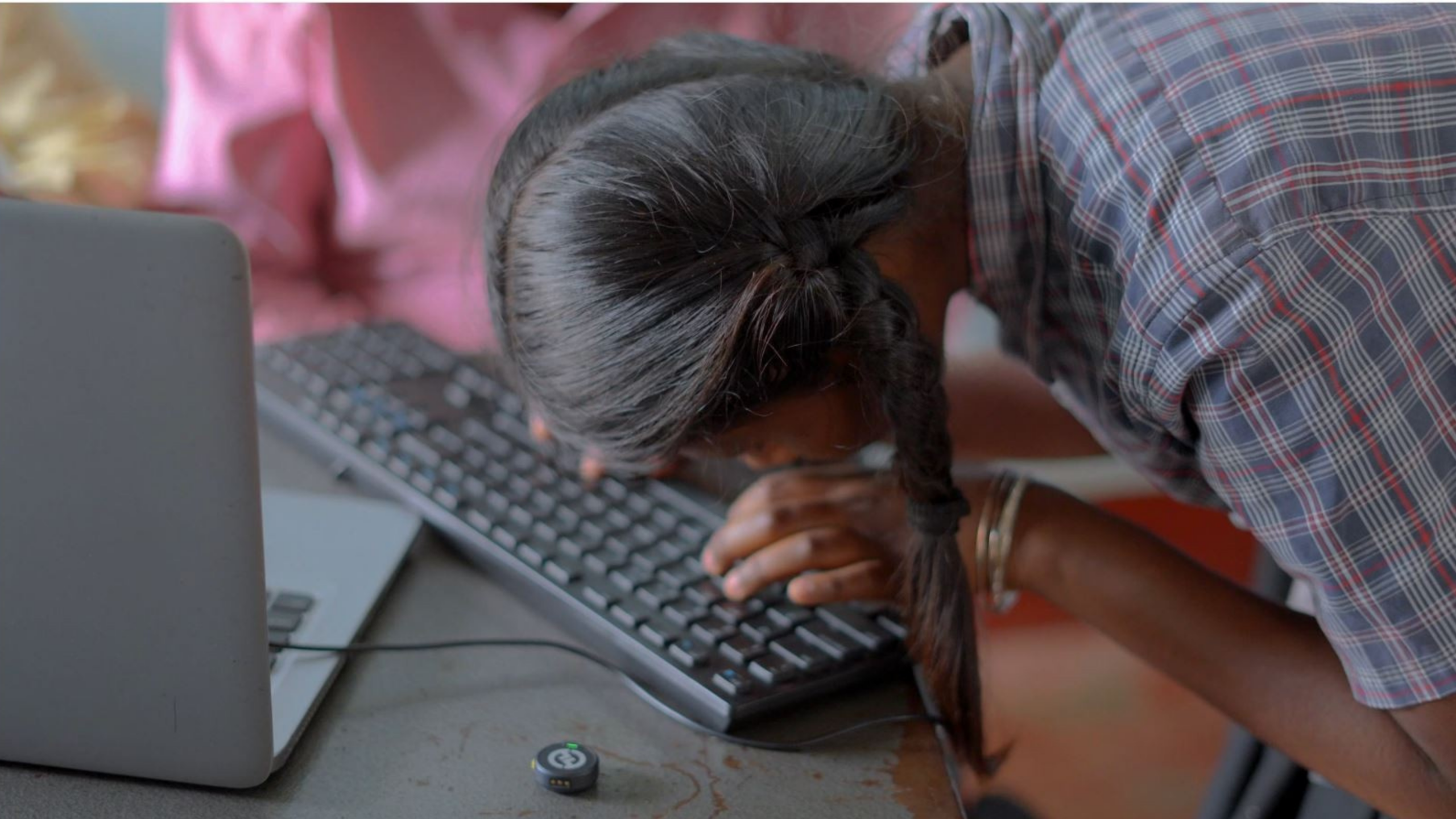
India has about 2.2 million children (Source: 2011 census) with blindness/ visual impairment with half of them out of school, reflecting systemic barriers to education. Blind schools across India face structural, pedagogical, and aspirational challenges that limit the potential of students. Many institutions have inadequate infrastructure, lack access to digital or technological tools, and report low academic outcomes. Teacher capacity is often limited, leaving students without the guidance and support required for holistic development.
These educational gaps result in children with visual impairment growing up with low self-esteem, limited social skills, and a lack of independence, which affects their ability to integrate into mainstream society and gain economic independence.
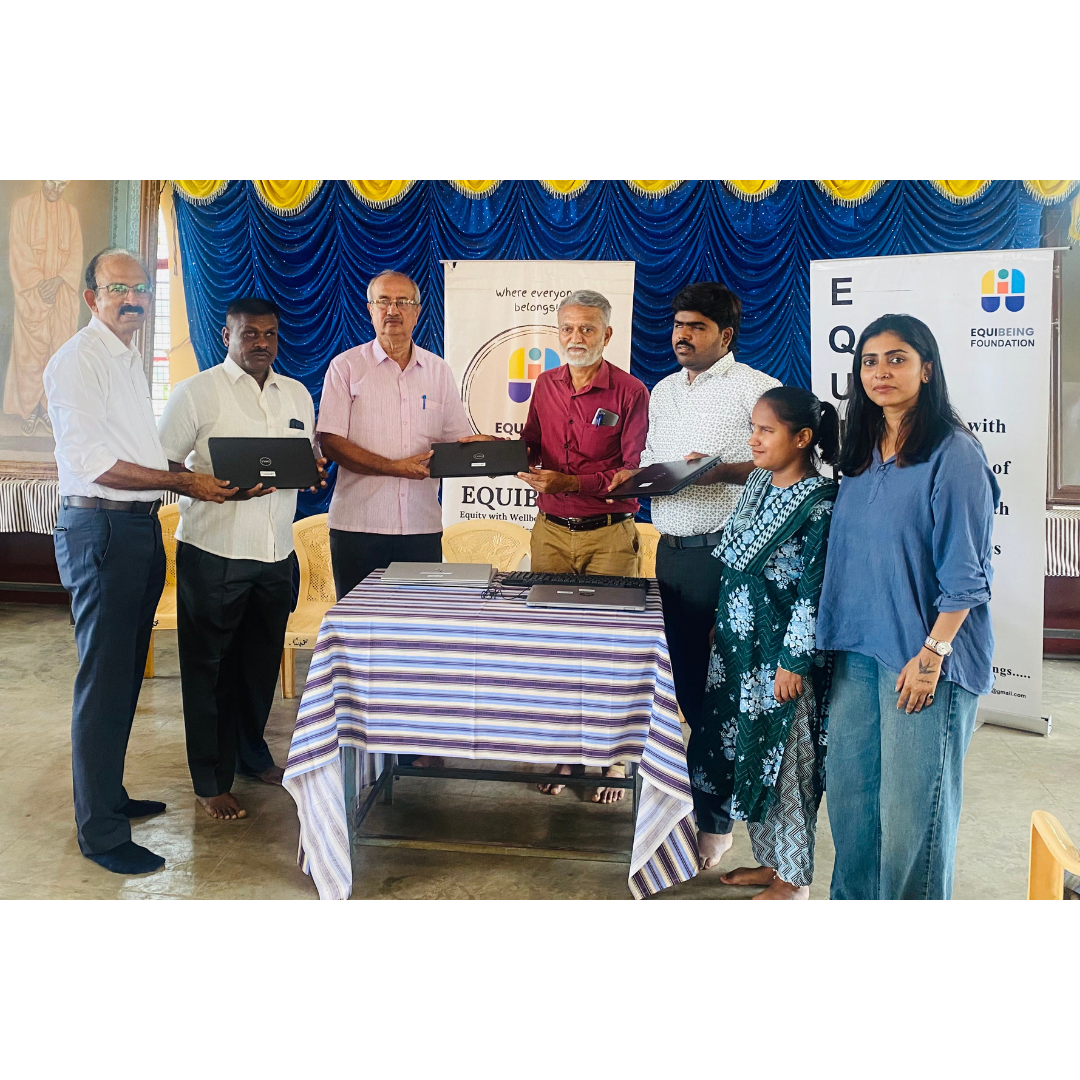
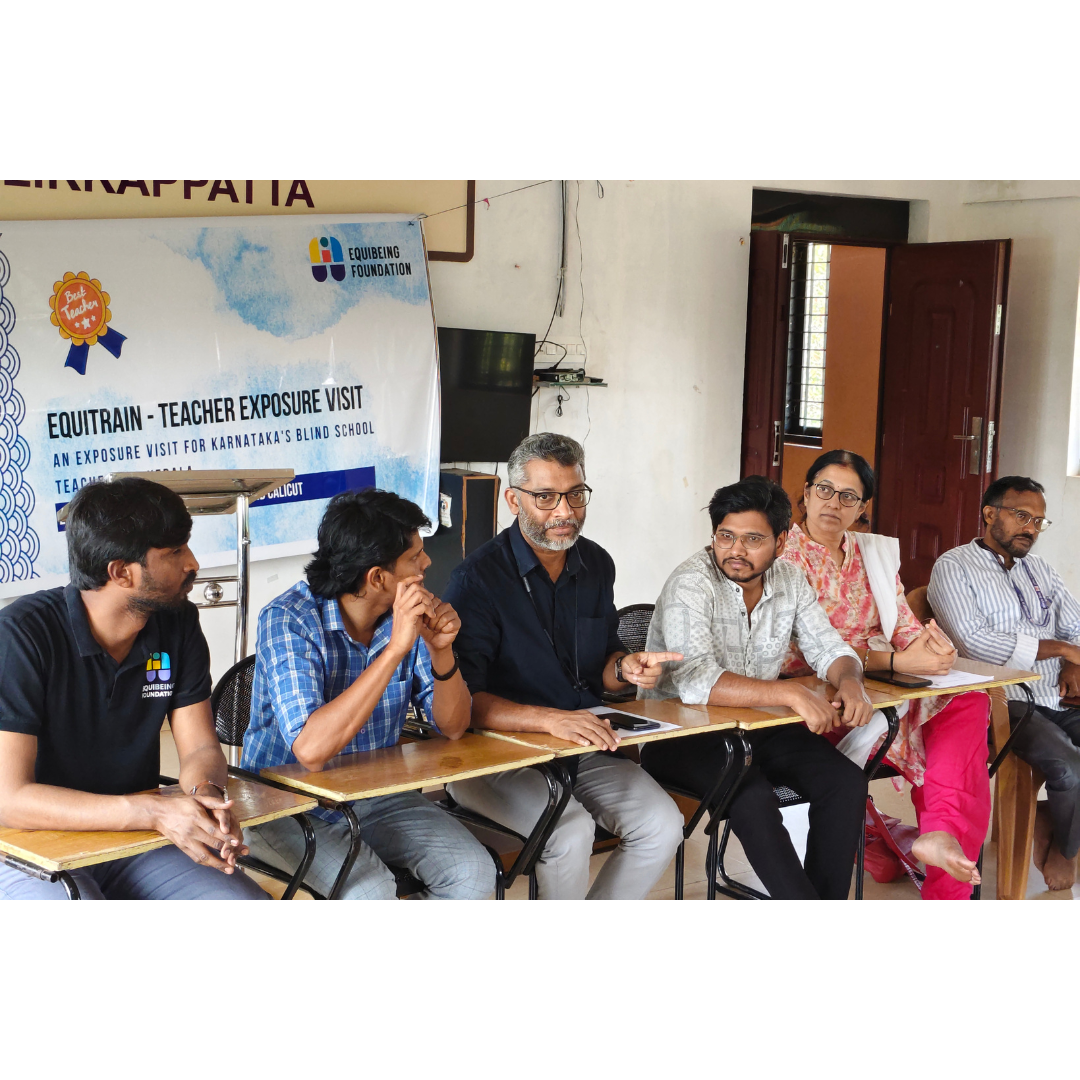
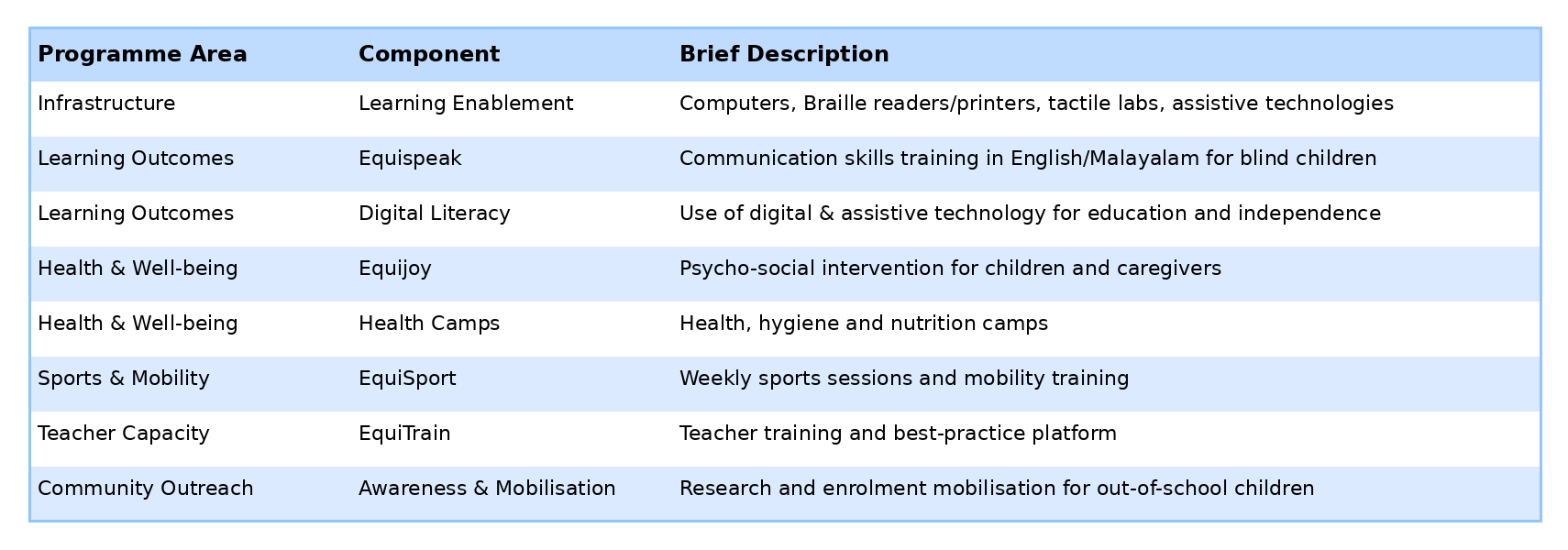
Equibeing’s “Holistic Education Initiative” addresses these systemic barriers through a holistic, multi-dimensional program. Through a combination of infrastructural support, facilitating communication and tech skills (including digital literacy and assistive tech) enhancement, capacity building for educators, sports sessions to enhance health and fitness and interventions to boost psychosocial well-being, the project seeks to create sustainable change. This approach responds directly to the educational exclusion and socio-economic marginalisation of children with visual impairment, providing a replicable model for other regions facing similar challenges.
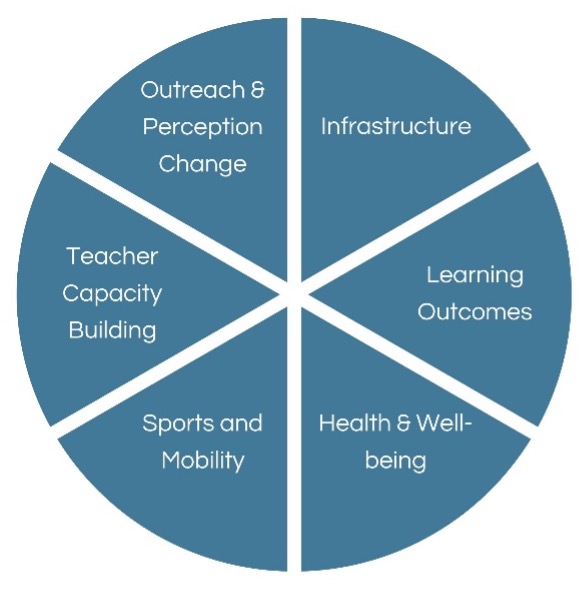
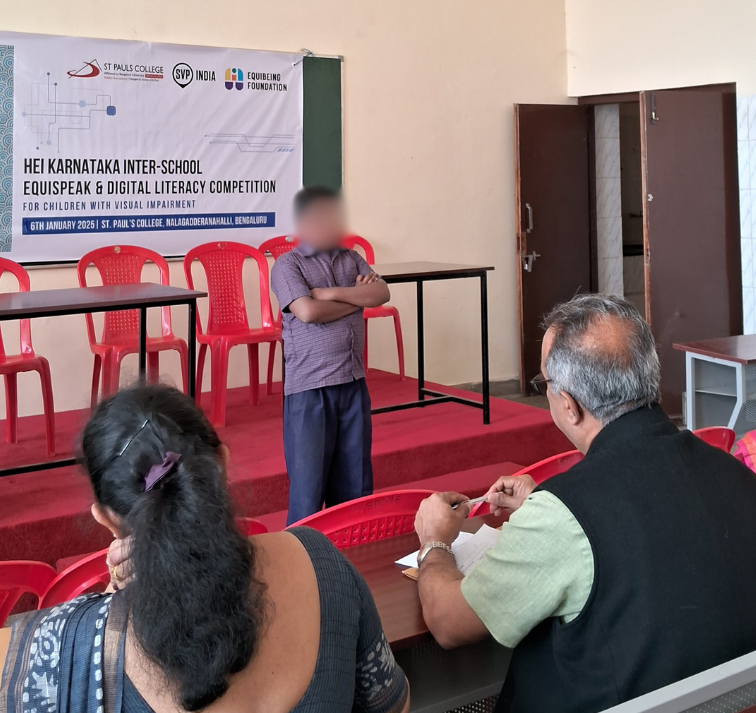
HEI Programme Components
Impact